
Applying NPK fertiliser increased yields of an orange-fleshed sweetpotato variety by up to 68.48% compared with untreated plots in field trials in two agro-ecological zones of Ghana, a study by the Kwame Nkrumah University of Science and Technology, Kumasi (KNUST), has found.
The doctoral research also identified a lower NPK rate combined with compost as a profitable option, while finding that the cost of biochar could limit the economic benefits of improved crop performance.
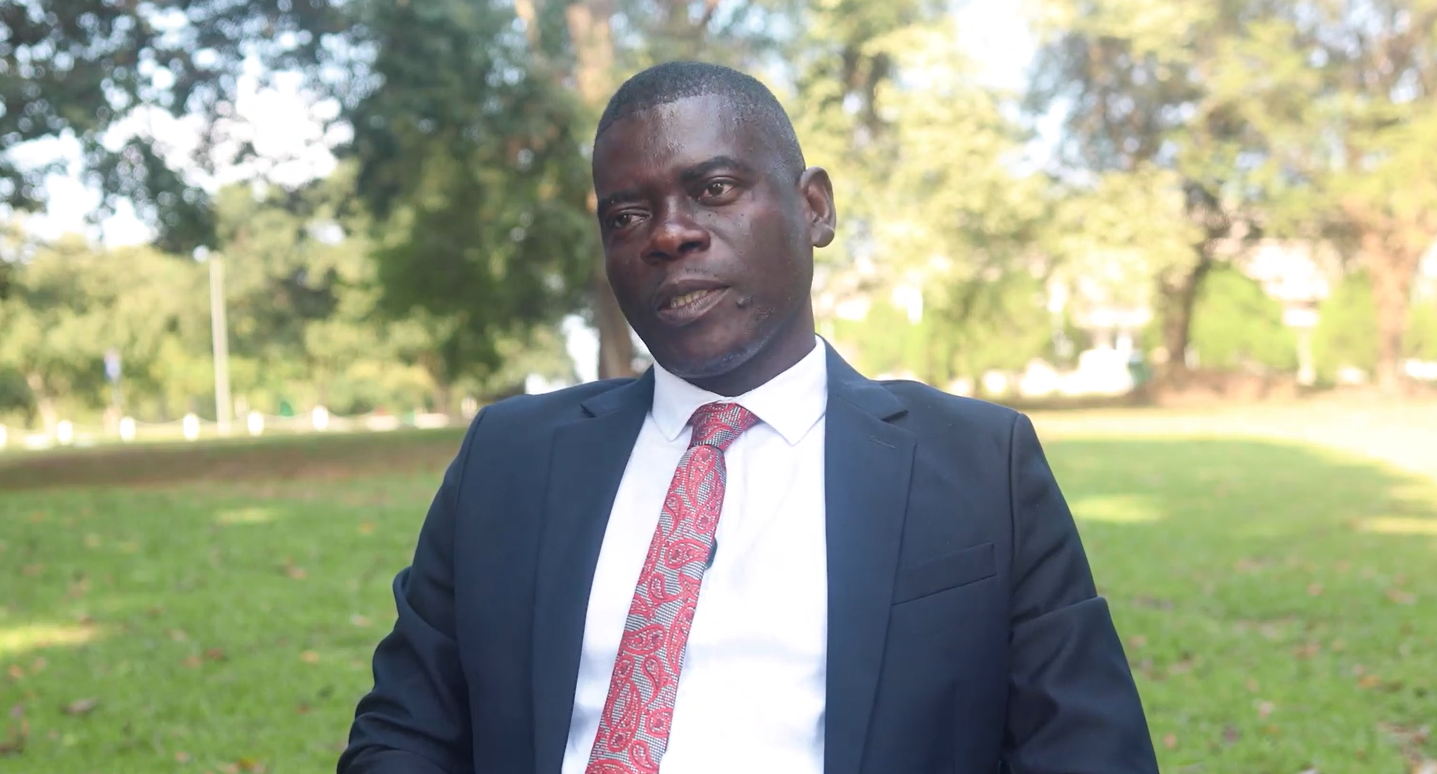
Conducted by Dr. Michael Odenkey Quaye of the Department of Crop and Soil Science, the study examined how organic and inorganic nutrient sources affected the growth, yield, quality and profitability of two sweetpotato varieties.
Quaye said the research was motivated by low yields on farmers’ fields and the need to understand how soil fertility contributed to the problem.
“Soils are said to be nutrient poor, and so if we want to ramp up production, increase or boost production, we have to do something about the soils,” he said.
The orange-fleshed variety, CRI-Apomuden, recorded the highest yields of between 29.79 and 32.77 tonnes per hectare under an NPK treatment applied at 30-60-60 kg per hectare. These yields were between 54.18% and 68.48% higher than those from plots without soil amendments.
The economic analysis found profitable returns for CRI-Apomuden under both this treatment and a lower NPK rate of 15-30-30 kg per hectare combined with 2.5 tonnes of compost per hectare. These treatments recorded value-cost ratios of at least two.
“We should look at combining NPK with compost to increase the yields, and that results in better yield and better economic returns to the farmers,” Quaye said.
The research also examined biochar as a soil amendment. Quaye said combining it with NPK improved crop growth and yield, but its cost presented a challenge.
“Biochar is about three times the cost of compost,” he said, explaining that the expense reduced the economic attractiveness of the treatment despite improvements in crop performance.
The study’s economic analysis separately found that biochar applied alone or combined with compost generally recorded value-cost ratios of one or less, indicating that these treatments were not economically viable in most cases.
Quaye recommended exploring alternative materials for producing biochar to reduce costs and make its use more affordable for farmers.
“So I also made a recommendation that we should look at reducing the production costs using other sources to produce the biochar such that the cost will be lower, and that will go a long way to help our farmers,” he said.
Field experiments were conducted during the 2022 minor and 2023 major rainy seasons at the University of Education, Winneba’s University Farm in the Coastal Savanna zone and the CSIR–Crops Research Institute’s experimental field at Fumesua in the Semi-Deciduous Forest zone.
The experiments compared orange-fleshed CRI-Apomuden and white-fleshed CRI-Dadanyuie under seven soil amendment treatments and an untreated control. The treatments involved NPK fertiliser, biochar, compost and combinations of these inputs.
Both varieties responded positively to the NPK-only treatment and several treatments combining a lower NPK rate with organic amendments.
CRI-Dadanyuie showed higher starch accumulation under integrated treatments, particularly those combining NPK with compost, or NPK with both biochar and compost. The research also found that variety had a greater influence on sensory qualities than location or soil amendments.
Alongside the field experiments, Quaye conducted a farmer survey in the Central Region to assess awareness of integrated nutrient management.
The study calls for policy support to strengthen farmer training and encourage the adoption of integrated nutrient management across Ghana’s agro-ecological zones.
The research was supervised by Prof. Joseph Sarkodie-Addo, with Prof. Vincent Logah and Dr. Kwadwo Adofo as co-supervisors.


